Downspouts on a slope
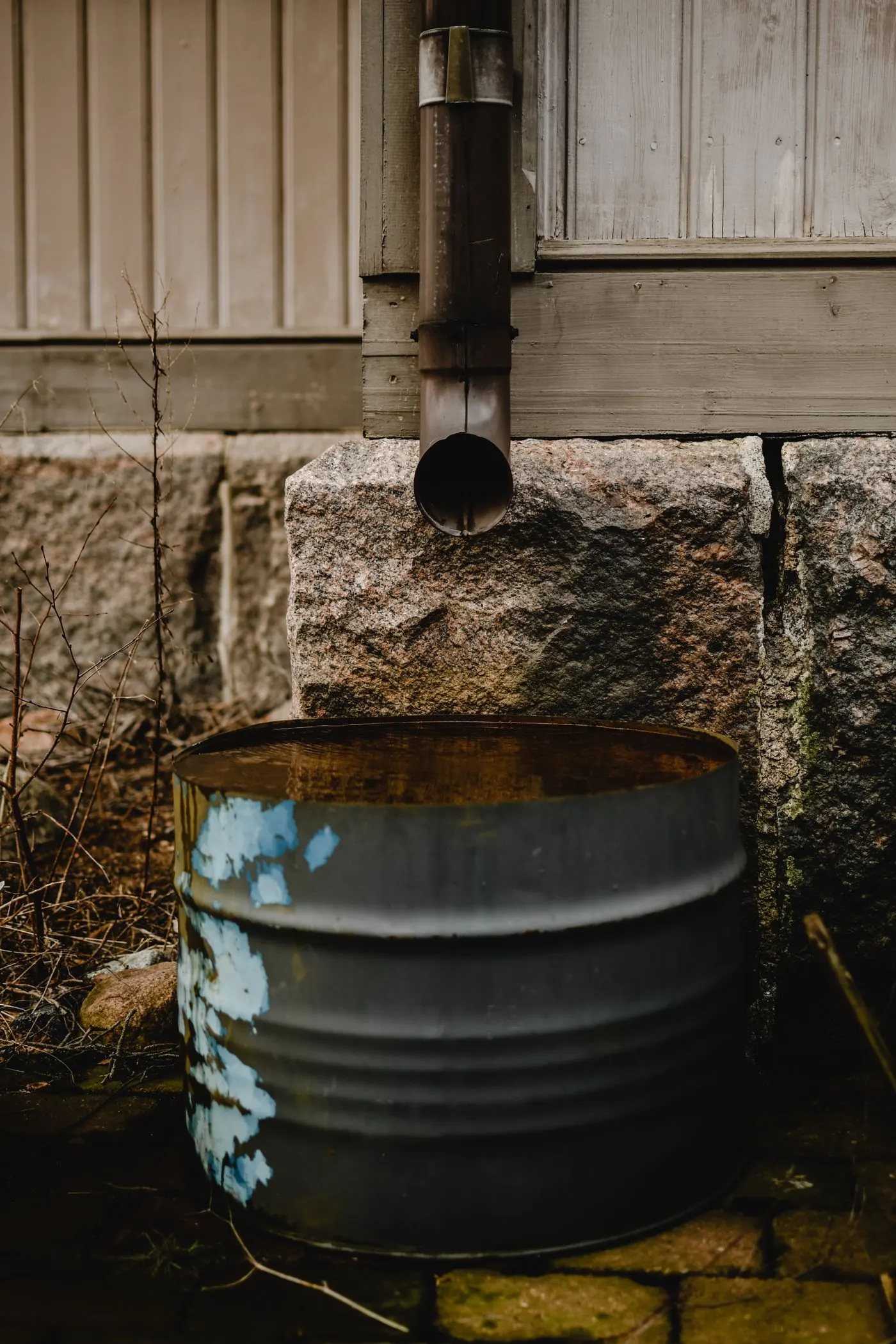
A downspout that empties onto ground sloping toward the house sends roof water right back to the foundation. On hilly lots it is common to see water from an uphill downspout running along the wall to a low corner. Extensions help, but on slopes the better answer is often a solid pipe buried in a shallow trench and run to a downhill outlet, a dry well or a pop-up emitter well away from the house. Clean gutters after the leaves drop in fall.
Regrading and swales
Soil should fall away from the foundation on every side. Where the hill comes down toward the house, a contractor can shape a swale, a shallow, grassed channel that catches runoff and turns it around the house. Retaining walls, driveways and patios should drain away from the foundation, not toward it. Trench drains at the bottom of driveways that slope toward a garage are common in hilly neighborhoods.
- Ground sloping away on all sides
- Swales to turn runoff around the house
- Trench drain at the foot of a sloped driveway
- Downspouts piped to a downhill outlet or dry well
Window wells
A below-grade window sits in a well, and a well with no drain is a bucket. In a hard rain it fills and the water pours through the window. A proper well has a gravel base and a drain that ties into the footing drain or an interior system, plus a clear cover to keep out leaves and rain. If a basement window is an emergency exit, building codes set the size of the well and require a ladder or steps when it is deep, so replacement wells must meet those rules.
Dry wells and neighbors
A dry well is a buried chamber surrounded by stone that lets collected water soak back into the ground. It works well in soil that drains, and poorly over rock or clay. Whatever system you use, the water should not be sent onto a neighbor's land or a public road. Ask the contractor if your village or town requires a permit or a drainage plan for the work.
Start outside
Outside fixes are the cheapest place to begin on a hillside lot. If you are collecting quotes for drains or excavation, ask each contractor whether outside fixes alone might solve it. Some basements on slopes dry up after nothing more than rerouted downspouts and a swale above the house. It costs little to try first, and it shows whether a bigger system is needed.
Typical outside drainage costs
Published national figures. Not quotes.
| Item | Typical range |
|---|---|
| Gutter installation | about $650 to $1,750 |
| Exterior drain, per linear foot | about $10 to $100 |
| Soil grading work | about $500 to $3,000 |
National figures, rounded, not quotes. Your price depends on the length of pipe, slope, rock and access.
Sources: This Old House, basement waterproofing cost; Fixr, French drain installation; Fixr, basement waterproofing
Questions homeowners ask
Can yard drainage fix a wet basement?
When the water comes from runoff and roof drainage, often yes. When it comes from a high water table, you usually need drainage at the foundation as well.
What is a dry well?
A buried chamber or pit filled with stone that holds water and lets it soak into the soil. It needs soil that drains and room away from the foundation.
Why does my window well flood?
Usually because it has no drain or the drain is clogged. A gravel base with a drain and a cover fixes most of them.
Other services
Basement waterproofing
Finding where water gets in and fixing it for good.
French drains and curtain drains
Interior perimeter drains, plus curtain drains that catch hillside water.
Sump pumps and battery backups
New pits, pump replacements, backups and high-water alarms.
Exterior waterproofing
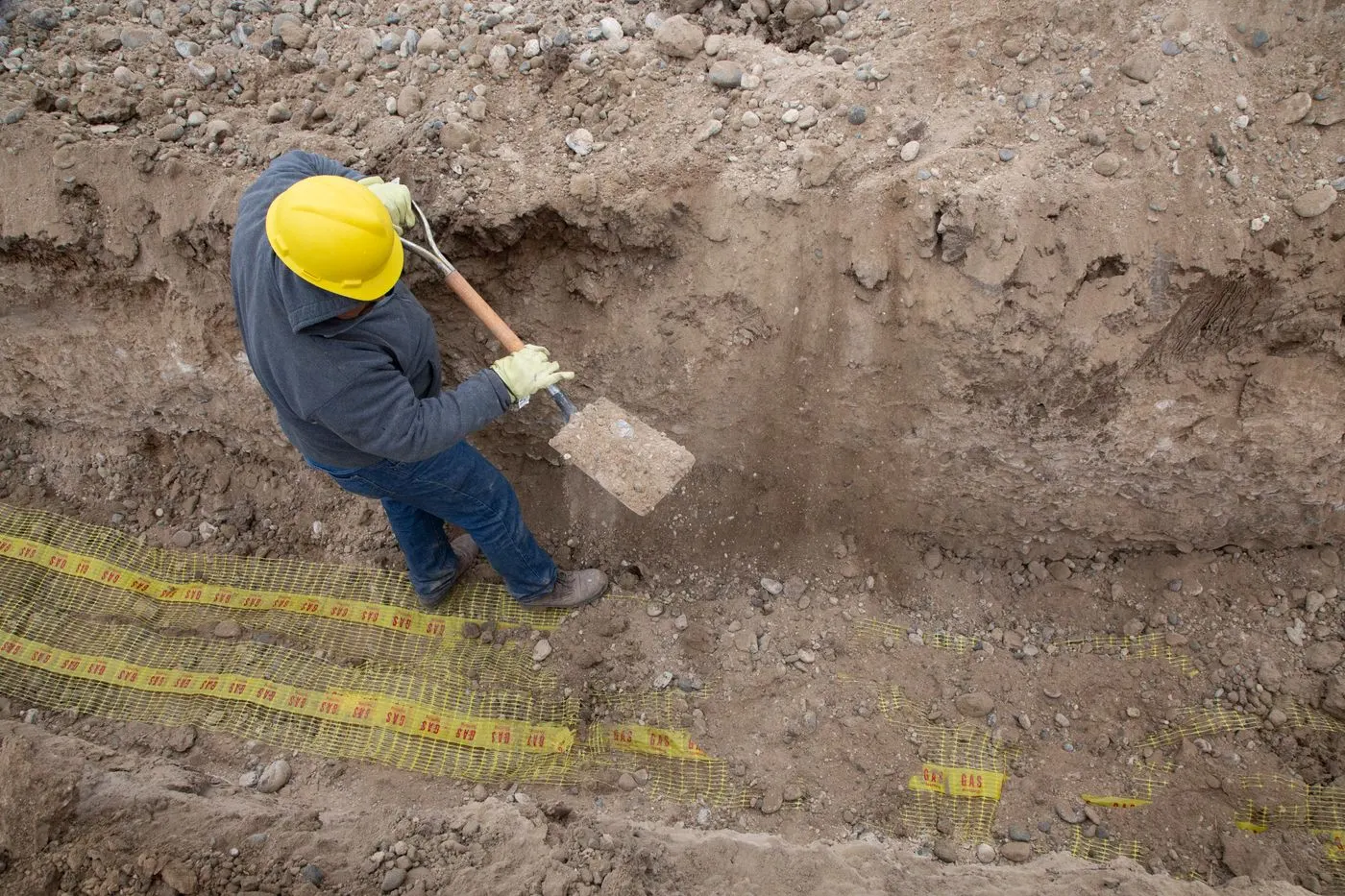
Excavating, sealing and draining the outside of foundation walls.

Foundation crack repair
Sealing leaking cracks, tie holes and pipe gaps in foundation walls.
Encapsulation and vapor barriers
Sealing crawl spaces and damp basements against ground moisture.