Step by step
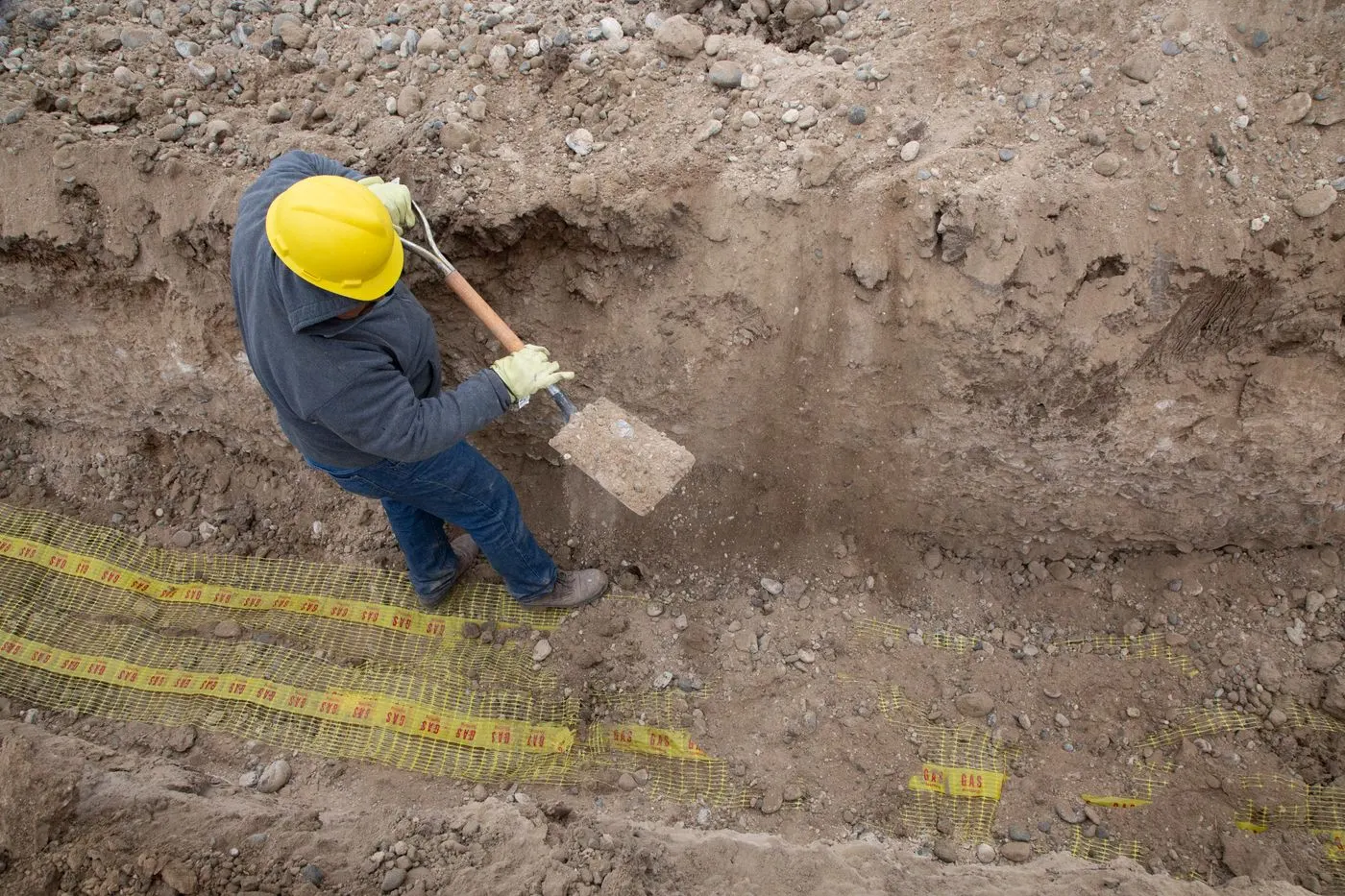
The contractor digs a trench along the wall down to the footing, cleans the exposed foundation and repairs cracks and failed joints. Then they apply a waterproof membrane or coating, often followed by a drainage board that protects it and lets water drop to the bottom. A perforated footing drain set in stone and wrapped in fabric collects that water and carries it to a downhill outlet or a sump. The trench is backfilled and the surface is graded so water runs away from the house.
Hillside and rock considerations
On sloped lots, the uphill wall can be eight feet or more below grade, which means a deep trench. Deep trenches need shoring or a stepped cut to be safe. Ledge rock may need to be broken by machine, which takes time. On the plus side, a slope gives the footing drain a natural place to empty, often without a pump, if the outlet can reach daylight downhill.
Ask the contractor how deep they will dig, how they will keep the trench safe, what they will do if they hit rock and whether the price changes if they do.
- Trench depth on the uphill side
- Trench safety and shoring
- Rock removal and pricing
- Gravity outlet to daylight, if possible
- Restoration of lawn, walks and plantings
When to choose exterior work
Exterior waterproofing is the strongest option when walls leak along their length, when the masonry is deteriorating from constant wetting, when you want a finished basement that does not rely on a pump, or when the foundation is already exposed for an addition or new porch. It is harder to justify for a single crack or for water at the floor joint only.
Utilities and permits
Before digging, underground utilities must be marked. Ask the contractor to confirm they have called 811. Many villages and towns also require a permit for foundation excavation. Your contractor should pull it and arrange any inspection.
Old foundations
Exposing an old stone or brick foundation is a chance to repoint loose joints, parge the wall and apply a membrane over a sound surface. If the stone has shifted or the wall bulges, a structural engineer should look before backfill, since the soil pressure will return once the trench is filled.
What to expect on site
Excavators, piles of soil and an open trench will take over part of the yard for the length of the job. Plan for parking and access, keep children and pets away from the trench, and ask the contractor how they protect the site overnight and in rain.
Typical exterior waterproofing costs
Published national figures. Not quotes.
| Item | Typical range |
|---|---|
| Exterior waterproofing project | roughly $7,000 or more |
| Excavation, per cubic yard | about $50 to $200 |
| Footing drain, per linear foot | about $80 to $100 |
National figures, rounded, not quotes. Your price depends on depth, length, rock, access and restoration.
Sources: This Old House, basement waterproofing cost; Fixr, French drain installation
Questions homeowners ask
Can exterior waterproofing be done on one wall?
Yes. On hillside lots, contractors often excavate only the uphill wall or the walls that leak.
What if they hit rock?
Rock slows digging and may require machine breaking. Ask how rock is priced before you sign, since it can change the total.
Do I still need a sump pump?
Not always. If the footing drain can run to a downhill outlet by gravity, a pump may not be needed. On flat lots it usually is.
Other services
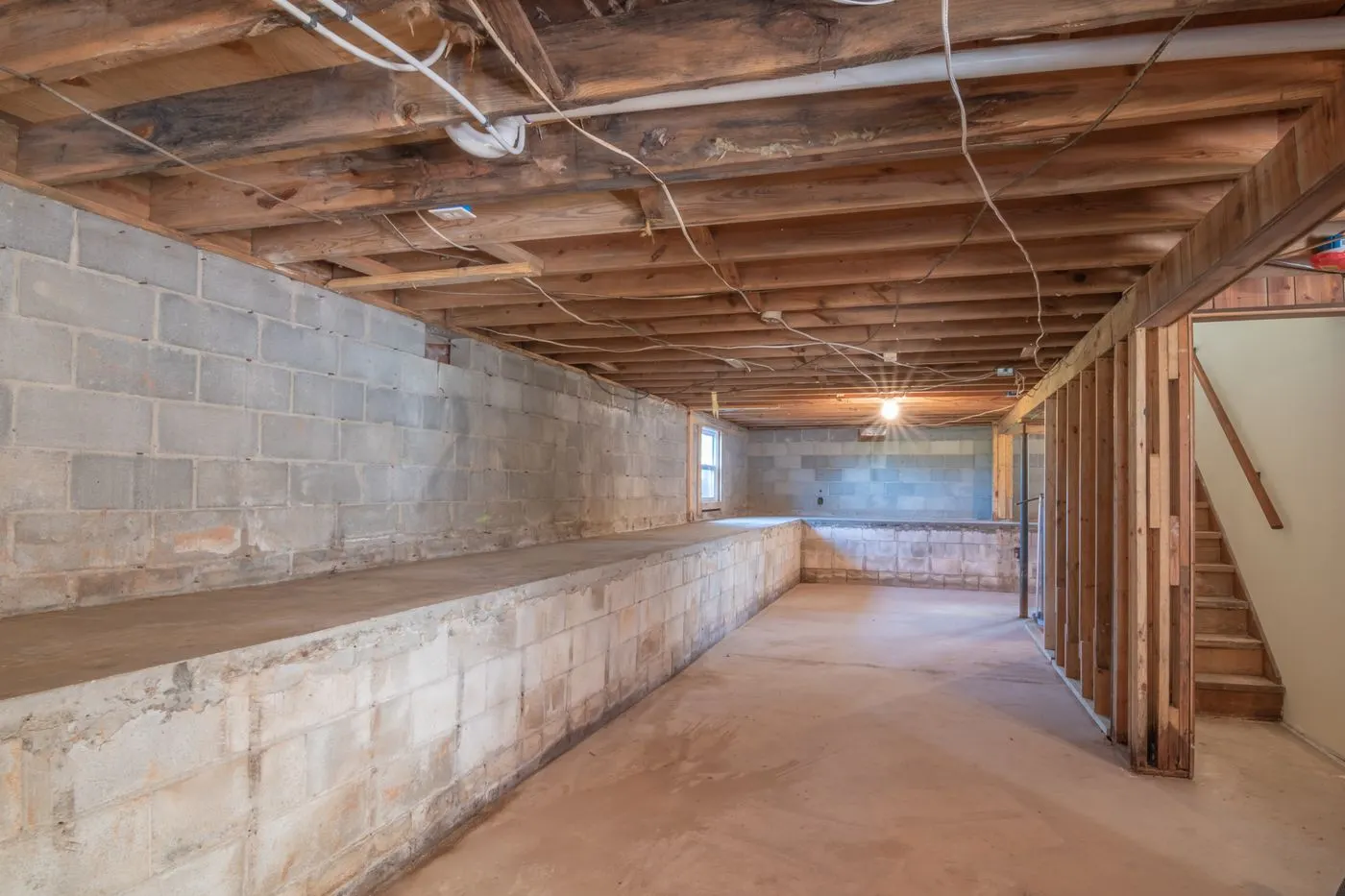
Basement waterproofing
Finding where water gets in and fixing it for good.
French drains and curtain drains
Interior perimeter drains, plus curtain drains that catch hillside water.
Sump pumps and battery backups
New pits, pump replacements, backups and high-water alarms.

Foundation crack repair
Sealing leaking cracks, tie holes and pipe gaps in foundation walls.
Encapsulation and vapor barriers
Sealing crawl spaces and damp basements against ground moisture.

Yard drainage and window wells
Downspouts, regrading, dry wells and window well drains.