Reading the clues in your basement
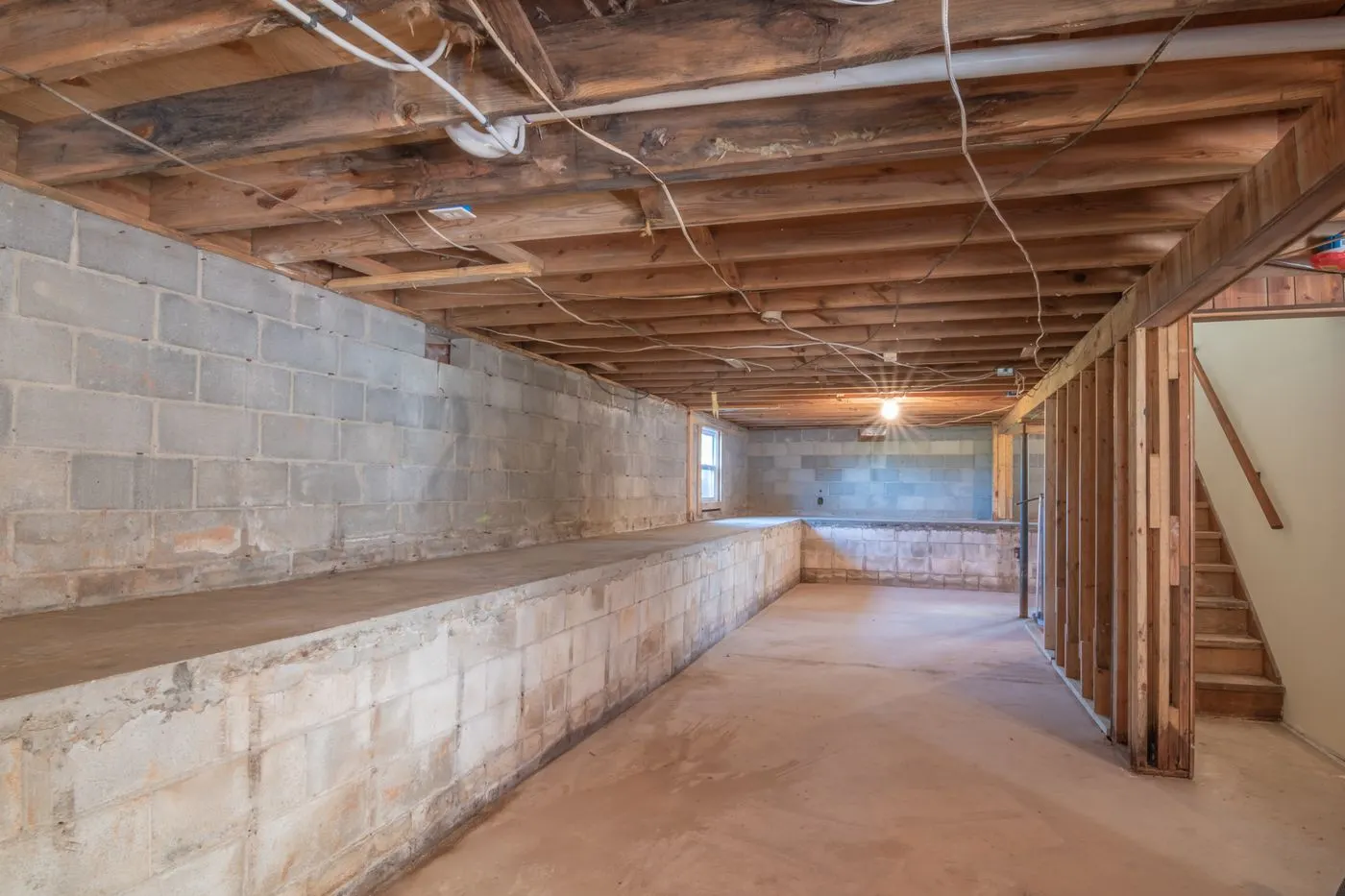
Where and when water appears tells a contractor a lot. A thin line of water along the base of one wall after rain points to groundwater pushing in at the floor joint. A wet stripe running down from a certain height suggests a crack, a pipe penetration or a window well. Water that seeps up in the middle of the floor means the water table is rising under the slab. Dampness that shows up on humid summer days, with no rain, is usually condensation.
Take note of white mineral crust on the walls, rust at the base of steel posts, staining on the bottom of stored boxes and a musty smell. Each of those shows that water has been moving through the space for a while, even if you have never seen a puddle.
Matching the fix to the house
On a sloped lot with water on the uphill side, an interior drain along that one wall, or a curtain drain outside, is often enough. A basement with water at the floor joint on every wall usually needs a full perimeter drain and a sump pump. A poured wall with one leaking crack may need only an injection. A house where roof water pours down the slope toward the foundation may need nothing more than new downspout routing and some regrading.
Old stone foundations are their own category. They leak at many joints, so the usual approach is to drain the water that gets in and repoint the worst mortar joints, rather than trying to seal the stone.
- One wet wall on a slope: targeted drain or curtain drain
- Water at the floor joint all around: perimeter drain and sump
- Single leaking crack in poured concrete: injection
- Roof water running at the house: downspouts and grading
- Stone foundation: drainage plus repointing
Interior or exterior
Interior systems accept that water reaches the wall and give it a controlled path to a pump. They are less disruptive and usually cost less. Exterior systems dig down, seal the outside of the wall and add a footing drain, so water never reaches the inside face. On hillside lots with rock, exterior work can be slow and expensive, which is one reason interior drainage is so common in this area.
Finished basements
If you plan to finish the basement, solve the water first. Drywall, carpet and wood framing hold moisture and grow mold if the wall behind them gets wet. Leave a gap between framing and foundation walls, use materials that tolerate moisture near the floor and keep a dehumidifier running. If the basement is already finished and leaking, expect some of the lower wall and flooring to come out so the contractor can reach the problem.
Questions worth asking
Ask the contractor what they think the source is and why, which fix they recommend and what the next-cheapest alternative would be, how they price rock or surprises, and what the warranty covers. A good contractor can explain the choice in plain terms.
Typical waterproofing costs
Published national figures. Not quotes.
| Job | Typical range |
|---|---|
| Interior waterproofing, average | about $3,000 |
| Exterior waterproofing | roughly $7,000 or more |
| Whole-basement project, 1,000 sq. ft. | about $12,400 to $14,800 |
| Epoxy injection, per crack | about $800 to $1,500 |
Rounded figures from This Old House, not quotes. Your price depends on the method, wall length, slope, rock and access.
Questions homeowners ask
What is the first step to fixing a wet basement?
Find where and when the water enters. Check gutters and downspouts, look at the slope around the house, and note which walls get wet and how soon after rain. Then have a contractor inspect inside and out.
Will sealing the walls from inside stop leaks?
Interior sealers can help with minor dampness on sound concrete. They do not hold back water under pressure, and they rarely work on stone foundations.
How disruptive is the work?
Interior drains involve cutting and removing a strip of concrete along the walls, which is loud and dusty for a day or two. Exterior work disrupts the yard instead. Ask the contractor about dust control and cleanup.
How long does waterproofing last?
Drains and membranes can last for decades when installed well. Pumps wear out sooner. Keep the warranty paperwork.
Other services
French drains and curtain drains
Interior perimeter drains, plus curtain drains that catch hillside water.
Sump pumps and battery backups
New pits, pump replacements, backups and high-water alarms.
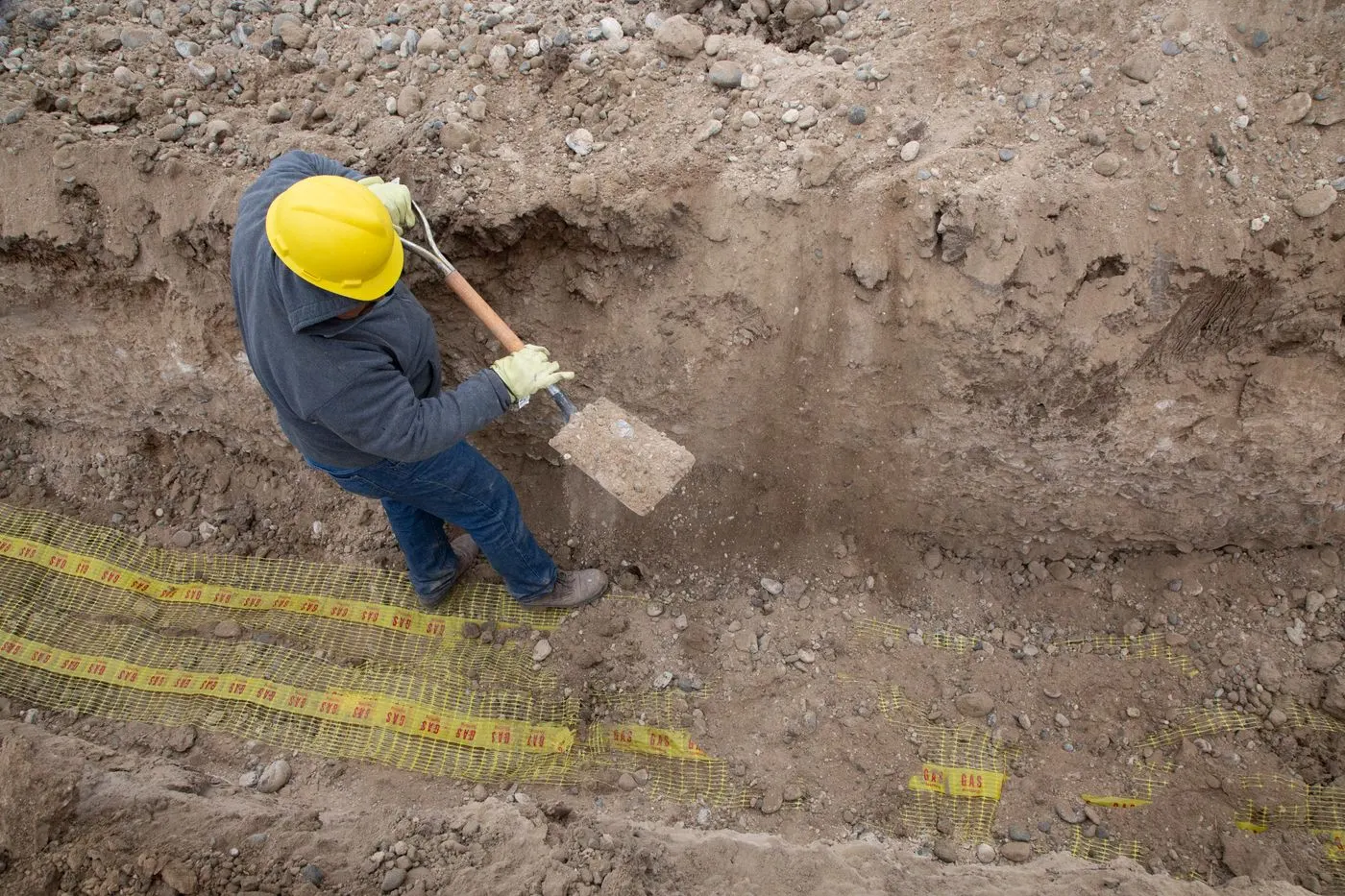
Exterior waterproofing
Excavating, sealing and draining the outside of foundation walls.
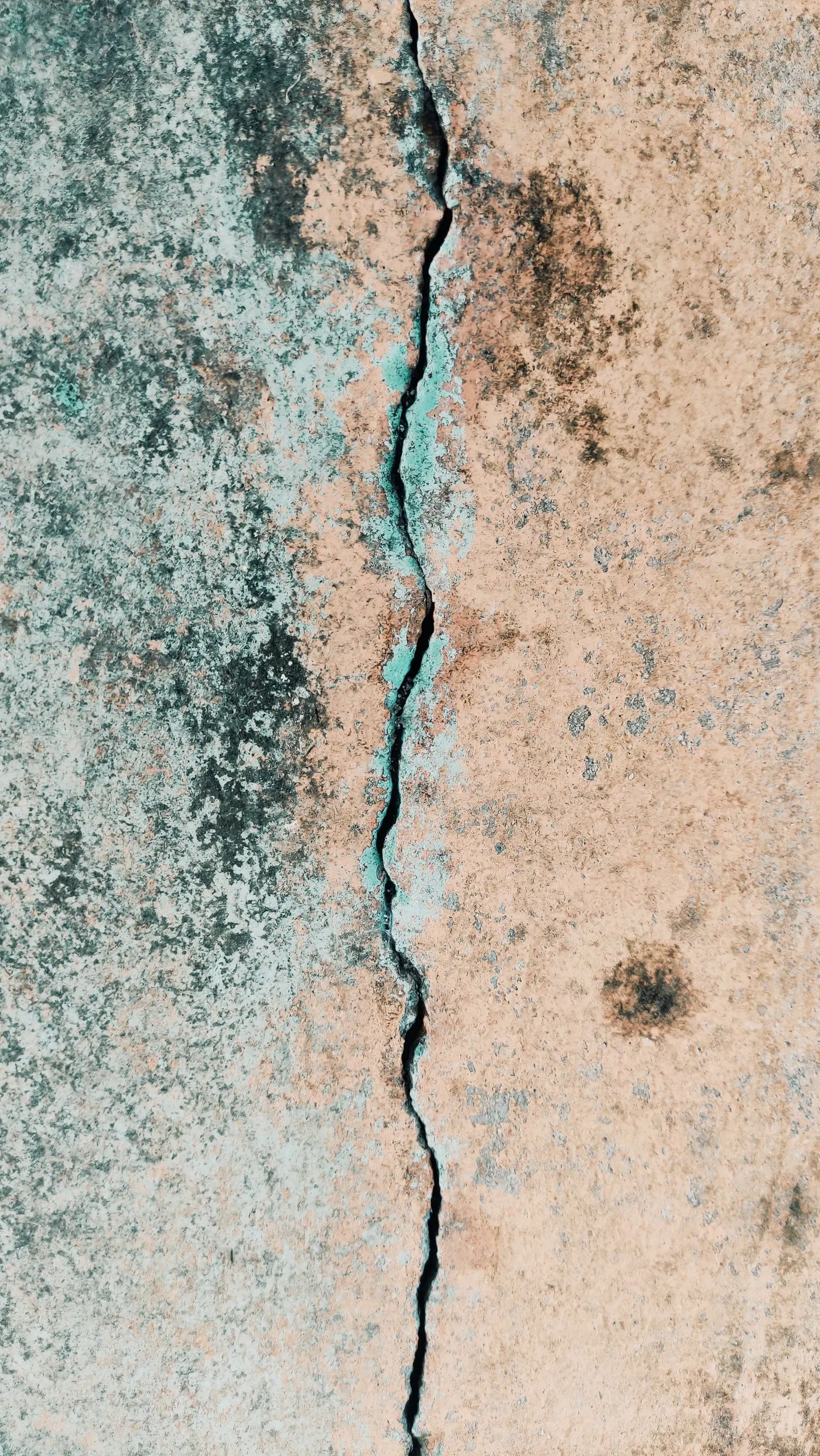
Foundation crack repair
Sealing leaking cracks, tie holes and pipe gaps in foundation walls.
Encapsulation and vapor barriers
Sealing crawl spaces and damp basements against ground moisture.
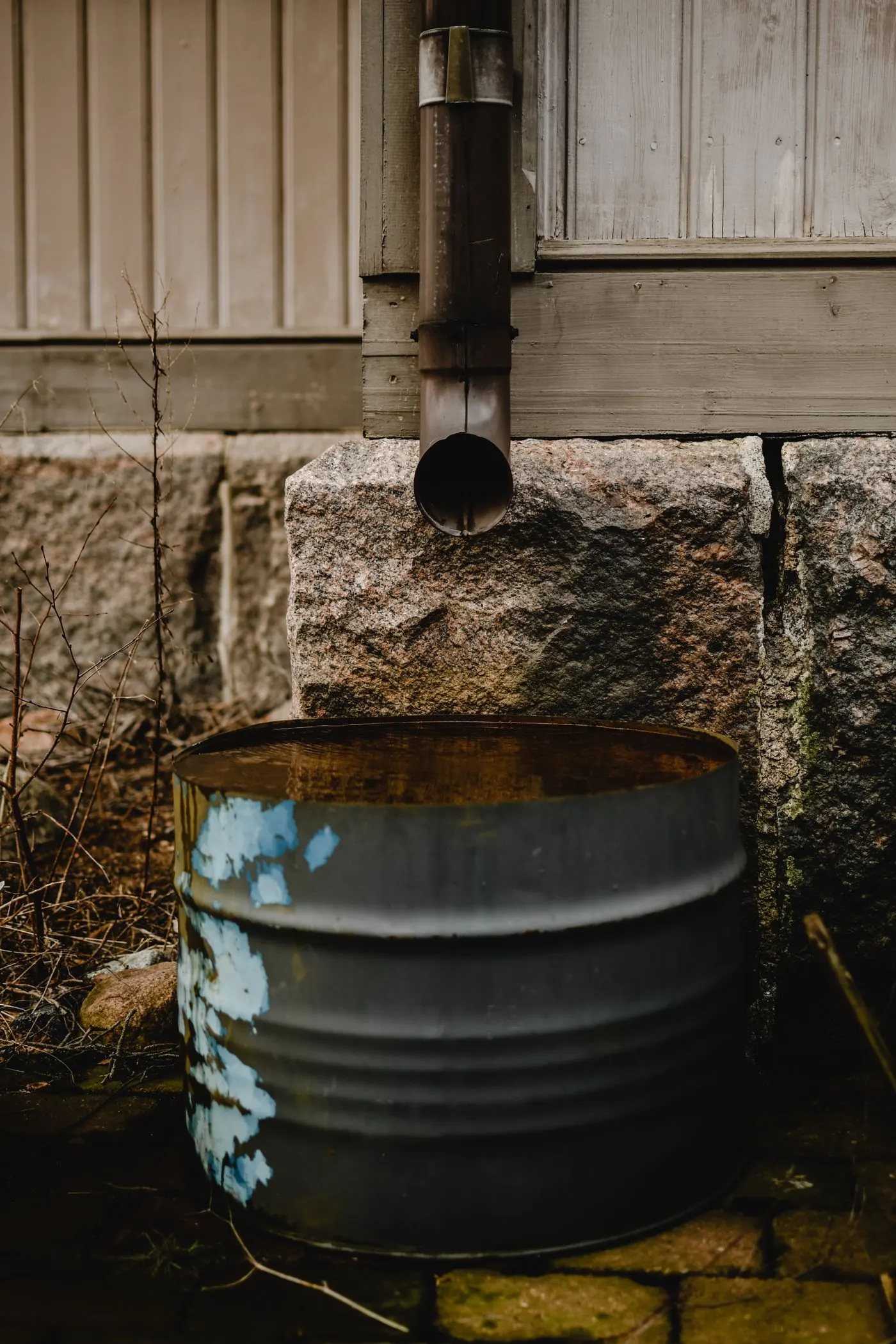
Yard drainage and window wells
Downspouts, regrading, dry wells and window well drains.