Signs you need a pump, or a new one
If water rises up through the floor or along the walls after rain, a sump system gives it somewhere to go. If you already have a pump, watch for one that runs constantly, turns on and off rapidly, hums without moving water, rattles, or shows rust and corrosion. Pour a bucket of water into the pit every few months. If the float does not lift and start the pump, call for service before the next storm.
What goes into a good installation
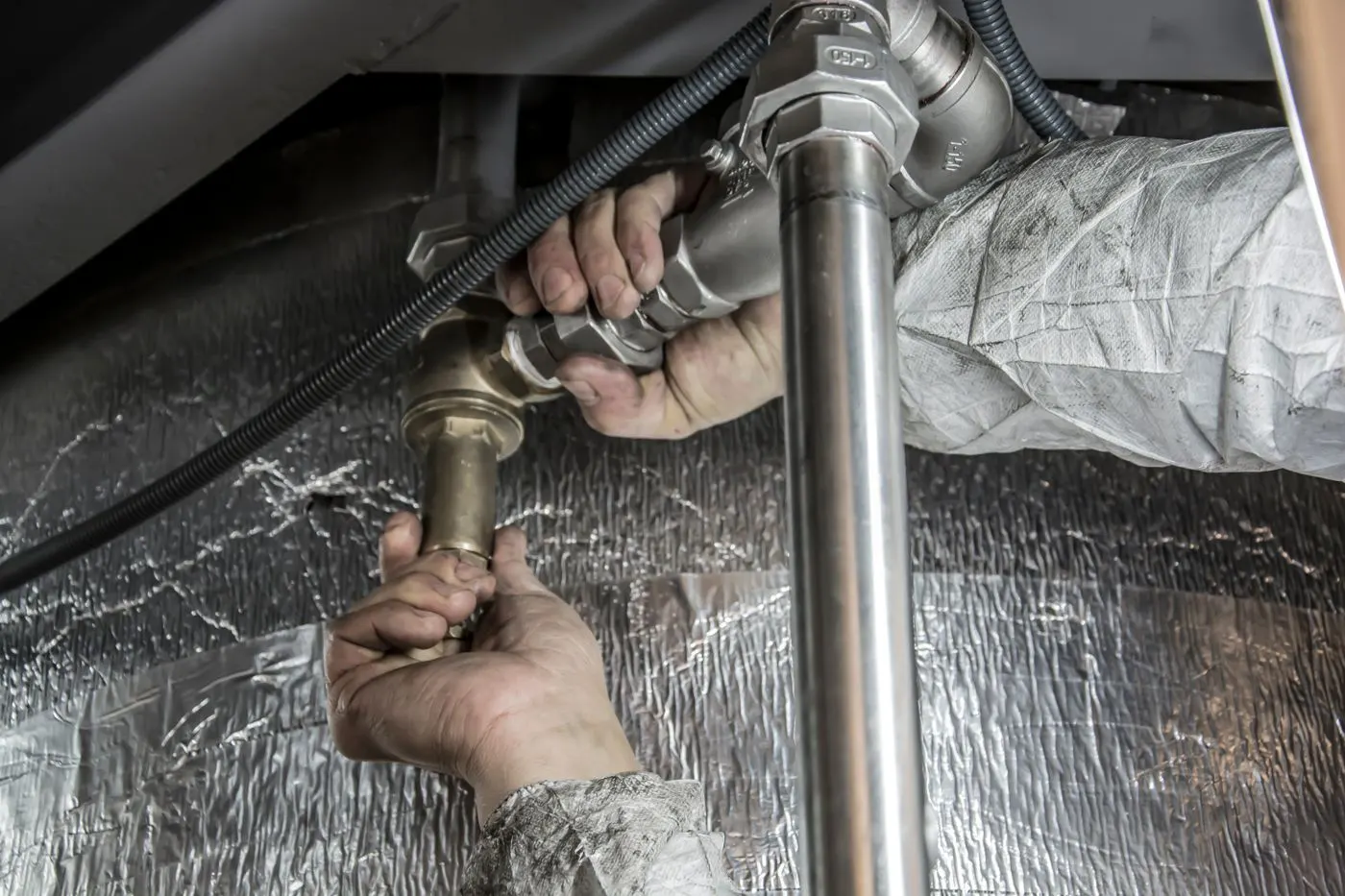
The pit should sit at a low point and be lined, with gravel around the liner so water flows in. The pump should match the inflow, with a float that has room to move freely. A check valve keeps water in the discharge pipe from falling back. The discharge line should leave the house above grade and end well away from the foundation, on ground that slopes away. On a hillside, the contractor should send it downhill, not toward a neighbor's yard or back toward your own house.
- Lined pit with a sealed, gasketed lid
- Pump sized to the inflow
- Check valve and shutoff on the discharge
- Discharge outlet well away from the foundation
- Dedicated, grounded outlet
- Battery backup and high-water alarm
Backups for storm season
Big rainstorms and wind often bring down power lines, especially on the tree-lined, hilly roads of northern Westchester. A pump without power is a pit filling with water. A battery backup pump sits in the same pit and runs when the main pump stops or cannot keep up. Water-powered backups exist too, using household water pressure, though they depend on your water supply. A high-water alarm, even a simple battery one, warns you before the basement floods. A standby generator is another option, but generators involve fuel and electrical work that must be done by licensed trades.
Discharge rules
Many municipalities do not allow sump pumps to drain into the sanitary sewer, because clean groundwater overloads the treatment system. Discharging onto the street or a neighbor's property can also break local rules. Ask your contractor where the water will go and whether a permit is needed.
Pump choices
Submersible pumps sit in the pit and run quietly. Pedestal pumps keep the motor above the pit, which is easier to service but louder. Cast iron housings shed heat well under heavy use. Ask the contractor which they recommend for your inflow and why.
Typical sump pump costs
Published national figures. Not quotes.
| Job | Typical range |
|---|---|
| Sump pump installation (Fixr) | about $800 to $2,000 |
| Professional installation (This Old House) | about $1,200 to $2,500 |
| Digging a new pit | about $500 to $1,200 |
| Replacing a pump in an existing pit | about $350 to $1,000 |
| Adding battery backup | about $150 to $250 |
National figures, rounded, not quotes. Your price depends on whether there is a pit, pump type, discharge length and electrical work.
Sources: Fixr, sump pump installation; This Old House, basement waterproofing cost
Questions homeowners ask
How often should I test my sump pump?
A few times a year, and before storm season. Pour water into the pit and make sure the pump starts, empties it and shuts off.
Do I need a battery backup?
If your basement floods when the pump stops, yes, it is worth considering. Storms that raise groundwater often knock out power too.
Why does my sump pump run when it has not rained?
High groundwater after a wet season, a stuck float, a missing check valve or water from a hillside spring can all keep a pump running. Have a contractor check it.
What does a new sump pump cost?
Fixr's national range for most installs runs about $800 to $2,000. A replacement in an existing pit can cost less, and adding a battery backup adds about $150 to $250.
Other services
Basement waterproofing
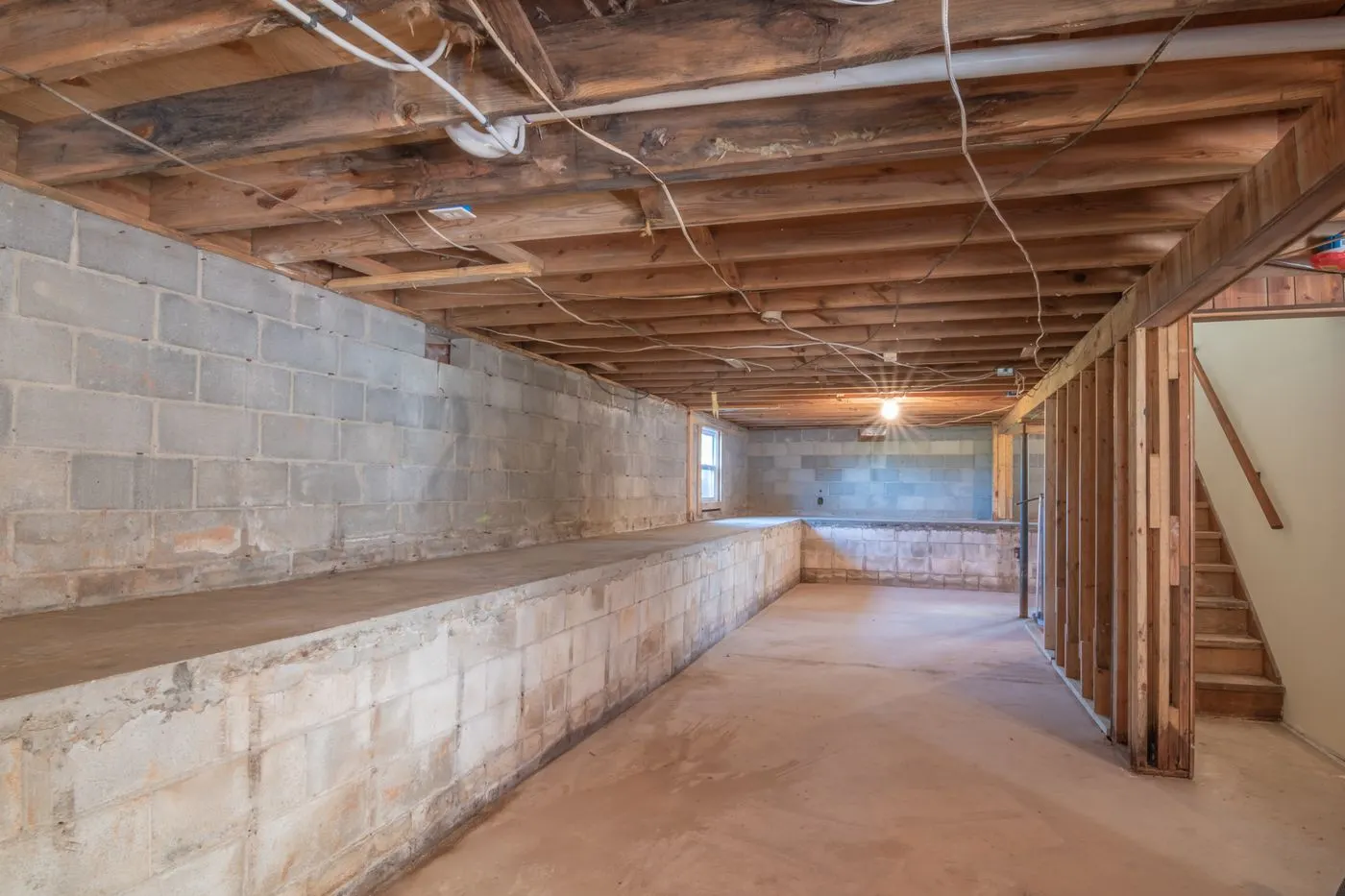
Finding where water gets in and fixing it for good.
French drains and curtain drains
Interior perimeter drains, plus curtain drains that catch hillside water.
Exterior waterproofing
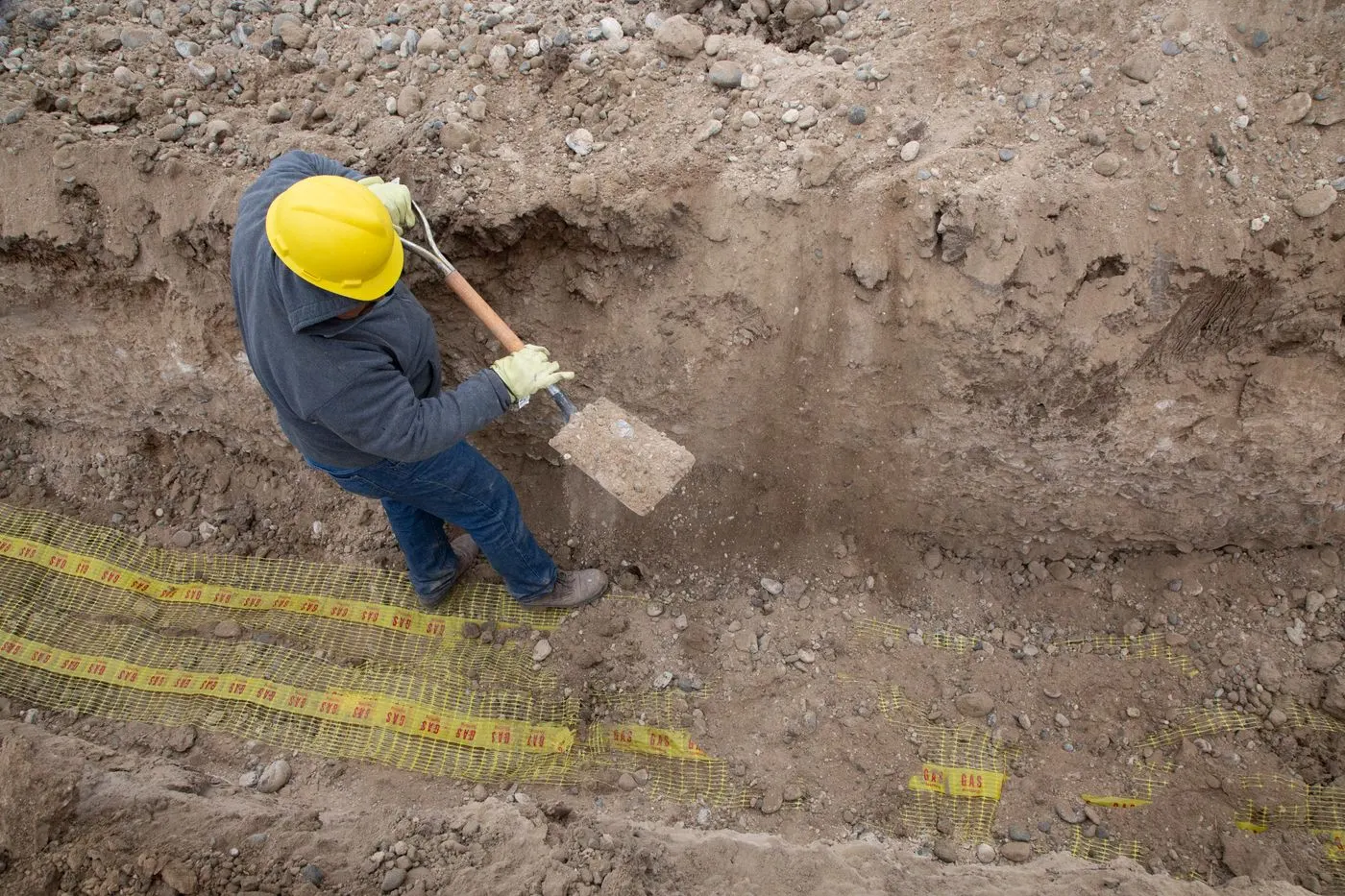
Excavating, sealing and draining the outside of foundation walls.

Foundation crack repair
Sealing leaking cracks, tie holes and pipe gaps in foundation walls.
Encapsulation and vapor barriers
Sealing crawl spaces and damp basements against ground moisture.
Yard drainage and window wells
Downspouts, regrading, dry wells and window well drains.