Ground moisture you cannot see
Soil and concrete give off water vapor constantly. In a crawl space with a dirt floor, that vapor rises into the framing. In a basement, it moves through the slab and walls. Add humid summer air coming in through vents, and wood can stay damp enough for mold and rot. Many older houses in the river villages have additions or porches over crawl spaces, and some have partial basements with a dirt crawl area behind a knee wall.
How encapsulation works
The contractor removes debris and old, wet insulation, deals with any standing water through drainage or a small sump, then lays a thick polyethylene liner over the floor and up the walls. Seams are overlapped and taped, and the liner is fastened and sealed at the top. Vents and gaps to the outside are closed. A dehumidifier sized for the space keeps humidity down, and it should drain to a sump or outside rather than into a bucket.
- Clean out debris and wet insulation
- Fix standing water first
- Heavy liner on floor and walls
- Taped seams and sealed edges
- Vents and gaps closed
- Dehumidifier with a permanent drain
Safety with fuel-burning equipment
If a furnace, boiler or water heater in or next to the space burns gas, oil or propane, sealing it changes the air supply that equipment depends on. The contractor must make sure combustion air and venting stay safe, and a licensed heating professional may need to check the setup. Never seal around fuel-burning equipment yourself. The EPA also recommends testing every home for radon, and a sealed space can help with radon control when designed for it.
Basement floors and walls
In a full basement, a vapor barrier is often part of finishing: a membrane over the slab under new flooring, and moisture-tolerant insulation on the walls. These steps reduce condensation and musty smells but do not stop liquid water. Fix leaks with drainage first, then control vapor.
After the work
Check the liner once or twice a year for tears, and keep stored items off it. Clean the dehumidifier filter on schedule and make sure its drain line stays clear. Water on top of the liner after a storm means outside drainage still needs attention, so call the contractor back.
Questions for the contractor
Ask how thick the liner is, whether it is fastened and sealed to the walls, how seams are taped, which dehumidifier they use and where it drains, and how they will handle any mold already present.
Typical encapsulation costs
National figures. Not quotes.
| Item | Typical range |
|---|---|
| Crawl space encapsulation, most projects | about $1,500 to $15,000 |
| Encapsulation, per sq. ft. | about $3 to $7 |
| Dehumidifier added | about $800 to $1,200 |
| Basement vapor barrier | about $1,500 to $4,000 |
National figures, rounded, not quotes. Your price depends on size, clearance, drainage and existing mold or debris.
Sources: Bob Vila, crawl space encapsulation; Fixr, basement waterproofing
Questions homeowners ask
Does encapsulation stop water from coming in?
No. It controls ground moisture and humidity. Standing water or leaks need drainage or a sump first.
What humidity should a crawl space or basement stay at?
Keeping it below about 60 percent, and closer to 50 percent, discourages mold and dust mites. A hygrometer costs little and tells you where you stand.
How long does encapsulation take?
Many crawl spaces take one to a few days, depending on size, clearance and whether drainage work is needed first.
Other services
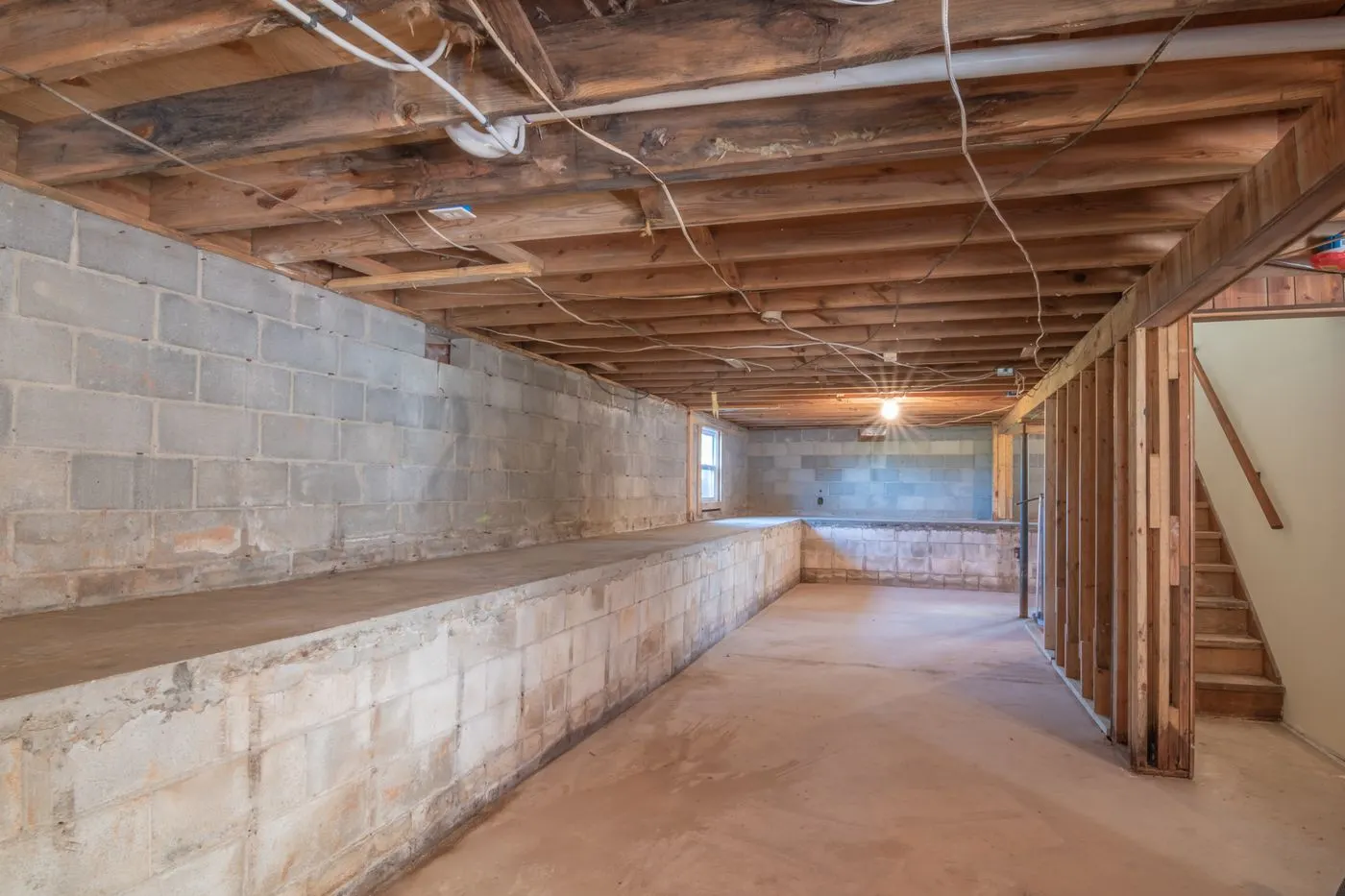
Basement waterproofing
Finding where water gets in and fixing it for good.
French drains and curtain drains
Interior perimeter drains, plus curtain drains that catch hillside water.
Sump pumps and battery backups
New pits, pump replacements, backups and high-water alarms.
Exterior waterproofing
Excavating, sealing and draining the outside of foundation walls.
Foundation crack repair
Sealing leaking cracks, tie holes and pipe gaps in foundation walls.
Yard drainage and window wells
Downspouts, regrading, dry wells and window well drains.